travellingapple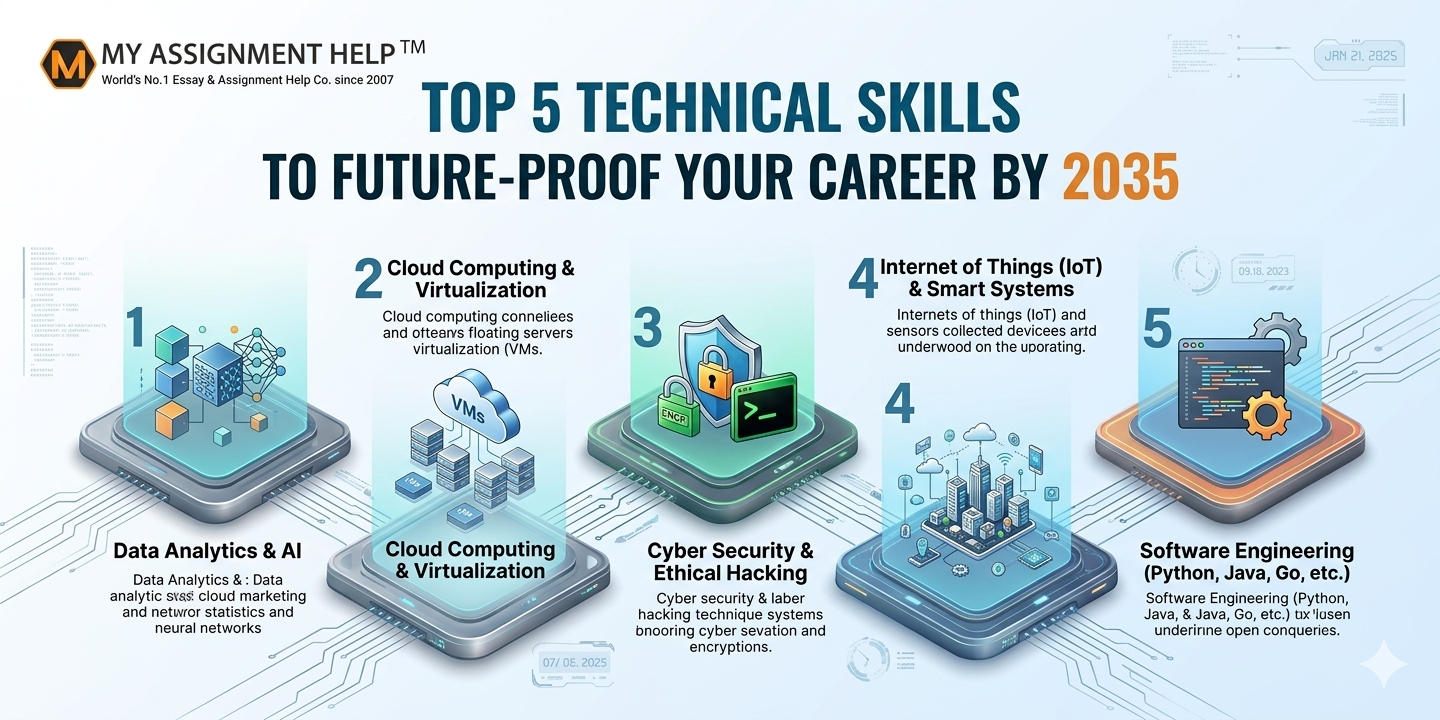
The professional landscape is no longer shifting—it has already transformed. As we move deeper into the 2020s, the traditional “career ladder” is being replaced by a “career lattice,” where adaptability and technical fluency are the primary currencies of success. According to the World Economic Forum’s Future of Jobs Report, 44% of workers’ core skills are expected to change in the next five years.
To remain indispensable in a decade defined by automation and decentralized intelligence, professionals must look beyond surface-level literacy. Future-proofing your career requires a strategic investment in skills that bridge the gap between human intuition and machine efficiency.
The Evolution of the Technical Landscape
We are entering an era where specialized knowledge has a shorter shelf life than ever before. However, the foundational systems governing our digital world—data, automation, and security—are becoming more critical. riproar, cloudysocial, feedbuzzard, zillexit, jotechgeeks, techoelite, Scookiegeek.
If you are a student or a young professional navigating these complex shifts, the sheer volume of information can be overwhelming. Many students turning to myassignmenthelp for guidance find that the most successful academic trajectories are those that integrate real-world technical applications early on. Utilizing professional assignment help services can often provide the necessary breathing room to master these high-level technical competencies without falling behind on foundational coursework.
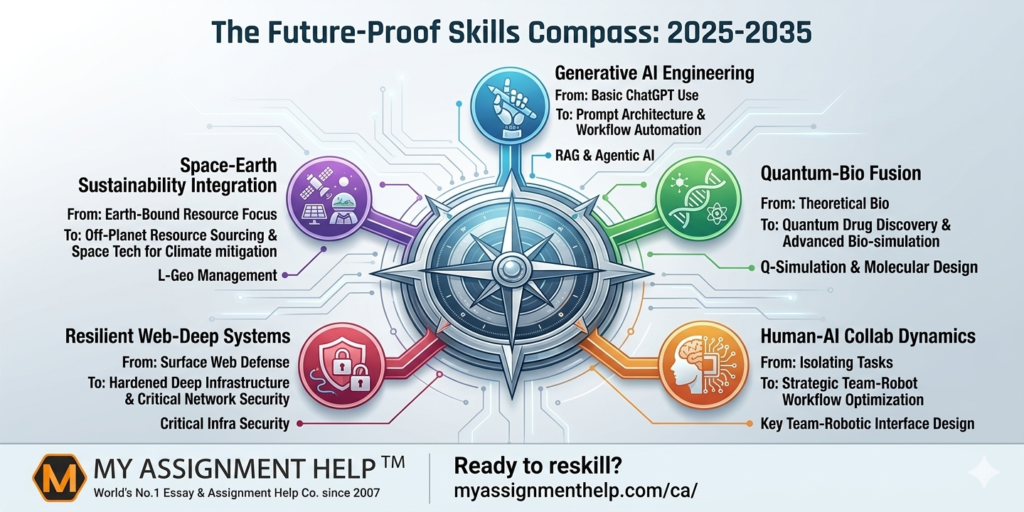
Here are the top five technical skills that will define the next decade of professional excellence.
1. Generative AI Engineering and Prompt Architecture
While “AI literacy” was the buzzword of 2023, the next decade belongs to those who can engineer specific outcomes from Large Language Models (LLMs) and Agentic AI. This isn’t just about chatting with a bot; it’s about building automated workflows.
- Why it matters: Gartner predicts that by 2026, 80% of enterprises will have used generative AI APIs or deployed generative AI-enabled applications.
- Key Focus: Learning to integrate AI into existing business logic, understanding RAG (Retrieval-Augmented Generation), and mastering the “chain-of-thought” prompting necessary to reduce hallucinations in professional outputs.
2. Full-Stack Data Fluency & Visualization
Data is often called the “new oil,” but without the ability to refine it, it is a liability. The next decade will demand that even non-technical roles (Marketing, HR, Finance) possess the ability to query databases and visualize trends without a middleman.
- The Skill Shift: Move beyond basic Excel. Focus on Python for data manipulation and tools like Tableau or PowerBI for storytelling.
- Strategic Insight: For those interested in the academic side of this trend, exploring technology research topics can provide a roadmap for how data science is intersecting with ethical AI and cloud computing.
3. Cybersecurity and Digital Ethics
As our physical and digital lives become inseparable, the “attack surface” for cyber threats grows exponentially. Cybersecurity is no longer just an IT department concern; it is a fundamental business competency.
- The Requirement: Understanding Zero Trust Architecture (ZTA) and the ethical implications of data privacy.
- Growth Potential: The US Bureau of Labor Statistics (BLS) projects that information security analyst roles will grow by 32% through 2032, much faster than the average for all occupations.
4. Cloud Computing and Edge Intelligence
The migration to the cloud is nearly complete, but the next phase is Edge Computing. This involves processing data closer to where it is generated (e.g., in autonomous vehicles or IoT devices) rather than in a centralized data center.
- Focus Areas: Mastery of AWS, Azure, or Google Cloud Platform (GCP) is the baseline. The future-proof layer is learning how to deploy and manage distributed systems that leverage edge processing to reduce latency.
5. Sustainability Tech (Greentech) Implementation
As global regulations regarding ESG (Environmental, Social, and Governance) tighten, companies are desperate for professionals who understand “Green IT.” This involves optimizing code for energy efficiency and managing the lifecycle of hardware to reduce carbon footprints.
- The Impact: Technical roles that can quantify and reduce the environmental impact of digital infrastructure will be at the forefront of corporate strategy by 2030.
Key Takeaways
- Adaptability is Mandatory: 50% of all employees will need reskilling by 2030.
- AI is a Co-Pilot: Success lies in human-AI collaboration, not competition.
- Data is Universal: Proficiency in data storytelling is now a requirement for leadership.
- Security is Personal: Every professional is now a frontline defender of organizational data.
- Niche Expertise Wins: Specializing in Edge Computing or Green Tech offers a competitive edge in a crowded market.
FAQ: Future-Proofing Your Career
Q: Do I need a Computer Science degree to learn these skills?
A: No. While a degree provides a strong foundation, the next decade rewards “Skills-First” hiring. Certifications from providers like Google, Microsoft, and Coursera, combined with a portfolio of real-world projects, are increasingly viewed as equivalent to traditional degrees in the tech sector.
Q: Which programming language should I learn first?
A: Python remains the most versatile language for the next decade due to its dominance in AI, data science, and automation.
Q: How does “Assignment Help” fit into career development?
A: Professional services help students manage the heavy cognitive load of theoretical studies, allowing them more time to focus on hands-on technical certifications and internships that directly contribute to their employability.
Author Bio: Senior Content Strategist at MyAssignmentHelp
As a Lead Content Analyst and Academic Consultant at MyAssignmentHelp, I specialize in bridging the gap between current educational curricula and the fast-evolving demands of the global workforce. With over a decade of experience in digital strategy and EdTech, I help students navigate the complexities of higher education by providing data-driven insights into career-readiness and technical mastery. My work focuses on empowering the next generation of professionals with the tools they need to thrive in a “Skills-First” economy.
References & Data Sources
- World Economic Forum: The Future of Jobs Report 2023. 2. Gartner: Top Strategic Technology Trends for 2024.
- U.S. Bureau of Labor Statistics: Occupational Outlook Handbook – Information Security Analysts.
- LinkedIn Learning: 2024 Workplace Learning Report.


 writer