writer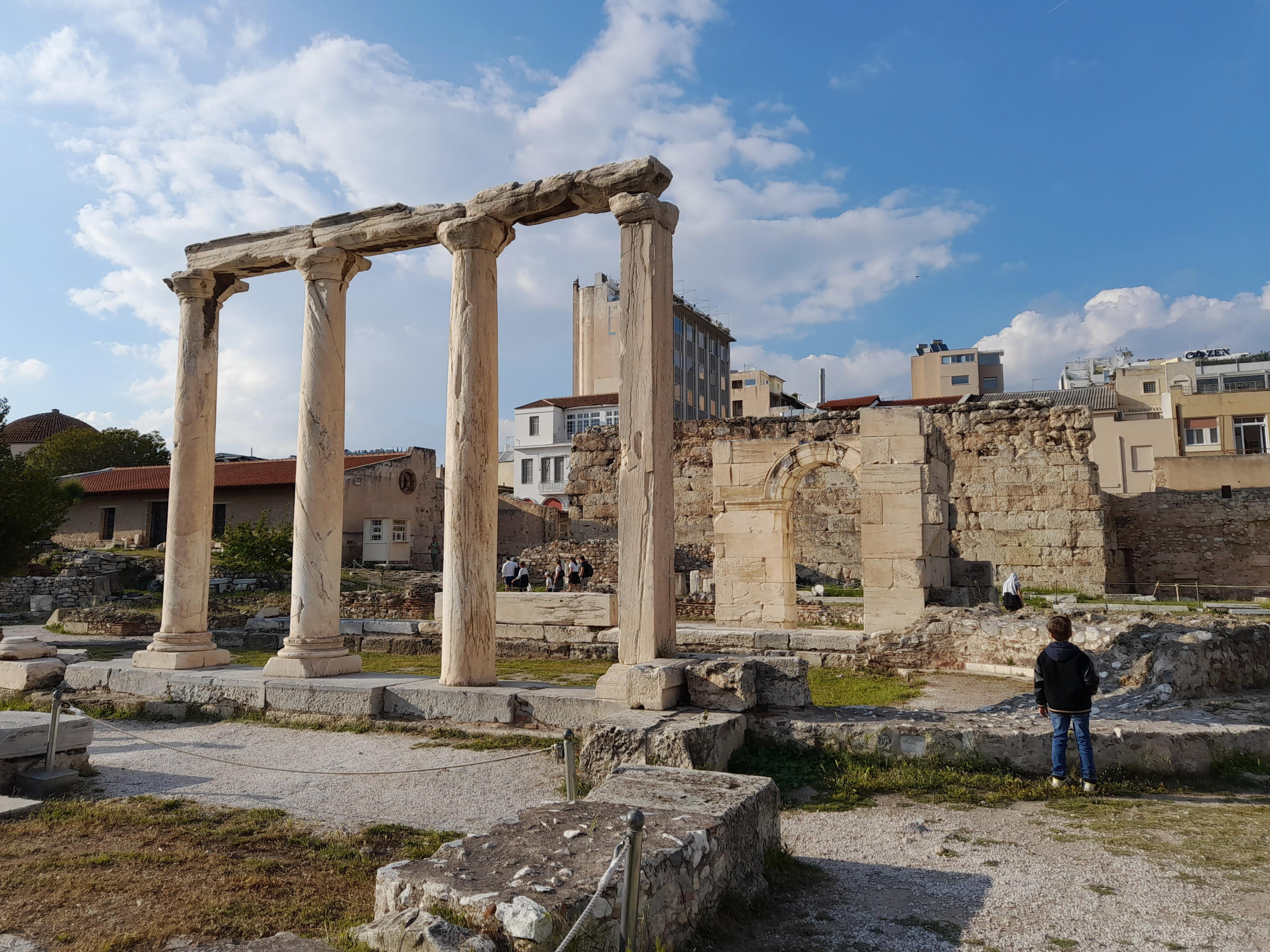
A City at the Crossroads of Civilisations
Few cities embody the meeting of cultures as vividly as Athens. Known worldwide as the birthplace of democracy and Western philosophy, the Greek capital is far more than a monument to ancient history. For over 3,000 years, Athens has stood at the crossroads of Europe, Asia, and Africa, absorbing influences from both East and West while preserving its unique character.
Whether wandering among world-famous archaeological sites or discovering hidden neighbourhoods and lesser-known landmarks of Athens off the beaten path, visitors quickly realise that the city reveals its character in both its grand monuments and its everyday corners.
Today, the city offers a remarkable blend of Greek, Roman, Byzantine, and modern elements that create a living tapestry of civilisations. Walking through Athens is like travelling through time, where every street reveals another layer of its rich and complex past. Exploring beyond the well-trodden routes often uncovers some of the city’s most authentic experiences, from quiet Byzantine chapels tucked between apartment buildings to vibrant districts where contemporary Athenian life flourishes alongside ancient history.
The Legacy of Ancient Greece
Athens first rose to prominence during the Classical period, becoming one of the most influential city-states in the ancient world. It was here that democracy took shape, and where philosophers such as Socrates and Plato laid the foundations of Western thought.
The city’s most famous landmark, the Acropolis, remains a powerful symbol of this era. Towering above modern Athens, the Parthenon continues to inspire visitors with its beauty and historical significance. Yet the influence of ancient Athens extends far beyond its monuments. Its ideas about politics, philosophy, art, and science continue to shape societies around the world.
Roman Influence and Cultural Exchange
When Athens became part of the Roman Empire, it did not lose its importance. Instead, Roman rulers admired Greek culture and invested heavily in the city. New public buildings, libraries, and marketplaces were constructed alongside existing Greek structures.
Sites such as Hadrian’s Library and the Roman Agora demonstrate how Athens evolved into a cosmopolitan centre where Greek traditions merged with Roman innovation. Rather than replacing the city’s heritage, Roman influence enriched it, creating a unique cultural synthesis that remains visible today.
The Byzantine Connection
The rise of Christianity brought another transformation. During the Byzantine era, Athens became part of a vast empire that connected Europe with the Eastern Mediterranean.
Small Byzantine churches, many still standing, introduced new architectural styles and artistic traditions. Their domes, frescoes, and intricate religious imagery offer a striking contrast to the classical temples that surround them. These churches serve as reminders that Athens was not only a centre of ancient learning but also an important part of the Christian East.
This Byzantine heritage highlights Athens’ role as a bridge between cultures, blending Greek traditions with Eastern influences that shaped the city for centuries.
A Modern Capital Built on History
Following Greek independence in the nineteenth century, Athens was transformed into the capital of a modern nation. Neoclassical buildings inspired by ancient Greek architecture appeared throughout the city, reflecting both national pride and European influences.
Today, modern apartment blocks, museums, cultural venues, and vibrant neighbourhoods stand alongside ancient ruins and historic churches. This coexistence of old and new gives Athens its distinctive character.
What makes the city truly unique is the way history remains part of everyday life. Residents pass archaeological sites on their way to work, enjoy coffee in neighbourhoods that have existed for centuries, and gather in squares surrounded by monuments from different eras.
A Living Blend of East and West
As one of the world’s oldest continuously inhabited cities, Athens remains a powerful reminder that civilisations are not isolated achievements but the result of centuries of connection, adaptation, and exchange. It is this remarkable fusion of influences that makes Athens one of the most fascinating and vibrant capitals in the world.
Beyond its history and cultural landmarks, Athens also offers visitors an accessible and rewarding travel experience. From traditional tavernas and bustling markets to contemporary dining venues, the city caters to a wide range of budgets and tastes. For those planning a visit and wondering about food costs, this guide on the cost of eating out in Athens in 2026 provides a useful overview of what to expect.
Whether exploring iconic monuments or venturing off the beaten path into the city’s vibrant neighbourhoods, Athens continues to reward curious travellers with a unique blend of East and West, ancient and modern, tradition and innovation.